
A Simple Guide to Trusts, Wills, and Estate Planning
Do I need a will? What is a trust? Who does estate planning?
Estate planning might sound like something only wealthy people need to worry about, but it’s actually important for everyone. Two main tools in estate planning are trusts and wills. Both serve the purpose of distributing your assets after you pass away, but they act in different ways and offer unique benefits. Below, we’ll talk about what trusts are, how they compare to wills, and explore the different types of trusts available.
Along with this article is a video series where you can hear from our community partners. Coastal Funeral Center is proud to present this Community Partnership Series on Financial Planning, Trusts and Wills.
- Trusts 101: Trust vs Wills with Seth Bier from Bier Law
- Types of Trusts with Peter Pettler from Pettler, Miller and Aldover
- What is a Living Trust? with Laura Thatcher from Blue Water Estate Planning
- I’m a Trustee. Now What? with Susan Graven from Riviera Fiduciary LLC
- Things to Include in a Trust with Kristen Damon from the Law Offices of Robert H. Palmer
- What is a Special Needs Trust? with James “Chaz” Shields from the Law Offices of James C. Shields
- Tax Benefits of a Trust with Eric Harris from Pacific Coast Legacy Partners LLP
What is a Trust?
A trust is a legal arrangement where one person (the trustee) holds and manages assets for the benefit of another person (the beneficiary). Trusts can be used for various purposes, such as minimizing taxes, avoiding probate, and ensuring that your assets are managed and distributed according to your wishes.
There are three key parties involved in a trust:
- The Grantor: The person who creates the trust and transfers their assets into it.
- The Trustee: The person or entity responsible for managing the trust assets and carrying out the terms of the trust.
- The Beneficiary: The person or people who benefit from the trust.
What is a Trust vs a Will?
Both trusts and wills are legal documents that outline how your assets should be distributed after you die. However, they operate differently and offer distinct advantages. Read about the elements to consider in wills and trusts
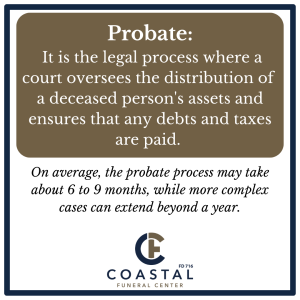
Probate: A will must go through probate, which is a court-supervised process of validating the will and distributing the assets. This can be time-consuming and costly. Trusts, on the other hand, typically avoid probate, allowing for a quicker and more private transfer of assets.
Control and Flexibility: Trusts offer more control and flexibility over how and when your assets are distributed. For example, you can set up a trust to distribute assets to your children when they reach a certain age or for specific purposes like education or healthcare.
Privacy: Wills become public record once they go through probate, which means anyone can access the details. Trusts remain private, protecting your financial information from public scrutiny.
Incapacity Planning: A trust can provide instructions for managing your assets if you become incapacitated, while a will only takes effect after your death.
Cost: Setting up a trust can be more expensive and complex than creating a will. However, the benefits of avoiding probate and the flexibility it offers can outweigh the initial costs.
Different Types of Trusts
Trusts come in various forms, each designed for specific purposes. Here are some of the most common types:
Revocable Trusts
A revocable trust is where you can place your assets (like money, property, etc.) to manage them during your lifetime and distribute them after your death. The key feature is that you can change or cancel the trust at any time while you’re alive. This makes it flexible and allows you to retain control over your assets. It’s a useful tool for estate planning, helping to avoid probate and ensuring your wishes are followed. (Probate is the legal process of distributing assets after death.)
Living Trusts
This is the most common type of revocable trust. It allows you to retain control over your assets during your lifetime and specify how they should be managed and distributed after your death. You can amend or revoke a living trust at any time.
Irrevocable Trusts
Irrevocable Life Insurance Trust (ILIT): This type of trust removes life insurance proceeds from your taxable estate, helping to reduce estate taxes. Once established, it cannot be changed or revoked.
- Special Needs Trust: Designed to provide for a beneficiary with special needs without disqualifying them from government assistance programs.
- Testamentary Trust: This trust is created through a will and only takes effect after the grantor’s death. It’s a good option if you want to set up a trust but don’t want to create a living trust during your lifetime.
- Spendthrift Trust: Protects the beneficiary’s inheritance from creditors and poor financial decisions. The trustee has full control over the distribution of the trust assets.
- Qualified Personal Residence Trust (QPRT): Allows you to remove your home from your estate, potentially reducing estate taxes, while still allowing you to live in the home for a specified period.
- Credit Shelter Trust: Also known as a bypass trust or family trust, this type of trust helps married couples minimize estate taxes by taking advantage of the estate tax exemption.
- Charitable Remainder Trust (CRT): This trust provides income to the grantor or other beneficiaries for a specified period, after which the remaining assets go to a designated charity.
Which One is Right for You?
Deciding between a will and a trust, and the type of trust, depends on your individual circumstances and goals. Here are a few considerations:
- Simplicity: If you have a straightforward estate and want a simple, cost-effective way to distribute your assets, a will might be sufficient.
- Avoiding Probate: If you want to avoid the delays and costs associated with probate, a trust could be a better option.
- Privacy: If privacy is important to you, a trust can keep your financial matters out of the public eye.
- Control Over Distribution: If you want to specify conditions for how and when your assets are distributed, a trust offers more flexibility.
- Tax Planning: For larger estates, certain types of trusts can help minimize estate taxes and provide other tax benefits.
Final Thoughts
Estate planning is a crucial step in ensuring that your assets are managed and distributed according to your wishes. Trusts and wills are both valuable tools, each with its own advantages and considerations. By understanding the differences and the various types of trusts available, you can make an informed decision that best meets your needs.
Whether you choose a will, a trust, or a combination of both, the important thing is to take action and create an estate plan. This will provide peace of mind for you and your loved ones. You’ll know that your affairs are in order and your wishes will be honored. If you’re unsure where to start, consider consulting with an estate planning attorney. They can can guide you through the process and help you choose the right options for your unique situation.
Estate planning is one part of getting your affairs in order. Advance Planning is another element. Learn more about Advance Planning here.
Frequently Asked Questions
You may also find these of interest:
- How to Preplan a Funeral
- Why Having a Memorial Service Matters
- Cremation FAQs
- How to Have a Difficult Conversation with Someone You Love
About Coastal Funeral Center
At Coastal Funeral Center, we are committed to being dedicated guardians of family and community, while holding on to the legacy we established as a family-owned funeral home. Originally A.M Gamby Funeral Home, Coastal Funeral Center joined Green Hills Memorial Park in 2018 to better serve the community of the South Bay and Palos Verdes Peninsula. During this transition, we expanded our services as an all-inclusive facility and built on the successes of Green Hills Memorial Park. We’re proud of our legacy of personal service and our deep roots in the community, which we’ve been part of for more than 80 years. We provide customized funeral service options that meet your financial needs and honor your loved one. To learn more, visit https://coastalfuneralcenter.com/about/


