
What You Should Know
Cremation has become an increasingly popular choice for final arrangements, with more families viewing it as a simpler, more affordable alternative to burial. But while cremation can offer flexibility and cost savings, there are many misconceptions about what’s truly involved, and how much it actually costs.
If you’ve been told that cremation is “cheap,” “easy,” or “decision-free,” you’re not alone. But these assumptions can lead to confusion and even added stress at a time when clarity and compassion are most needed. In this article, we’ll walk through some of the most common misnomers about cremation cost so you can make an informed choice for yourself or a loved one.
Misnomer #1: Cremation Is Always the Cheapest Option
One of the biggest myths about cremation is that it’s automatically less expensive than a traditional burial. While it can be more affordable in many cases, cremation cost varies depending on the services you choose and how you personalize the experience.
A direct cremation, which involves no formal service, viewing, or ceremony, is typically the most budget-friendly option. But many families opt for additional services such as:
- A celebration of life or memorial event
- Time for visitation or a viewing before cremation
- Special urns or keepsakes
- A final resting place, such as burial of ashes or placement in a niche
Each of these choices can add to the total cremation cost—just as they would with burial. The key is understanding what’s included and what matters most to you and your family.
There is a downside to direct cremation. With this budget option, you typically will not know exactly when or where your loved one will be cremated. Not knowing this important detail can cause extra stress and worry, and leave you feeling less in control. When looking at providers, be sure and ask this important question. “What day, time and location will my loved one be cremated?”
Misnomer #2: “Once you choose cremation, the urn is the final step.”
A common belief is that once cremation is complete and the ashes are placed in an urn, the process is over. Many families assume they can simply bring the urn home without any additional steps.
In California, however, this isn’t the case. State law requires a permit to keep cremated remains in a private residence. Families who aren’t aware of this may find themselves surprised by legal requirements they didn’t anticipate. Cremation doesn’t eliminate the need for important decisions; it simply changes what those decisions look like.

Beyond legal considerations, it’s also important to think about the future. An urn kept at home is usually a temporary arrangement, but later generations may not know what to do with it—or may not want the responsibility of inheriting it. In some cases, keeping the urn at home can even delay the grieving process, preventing families from finding closure.
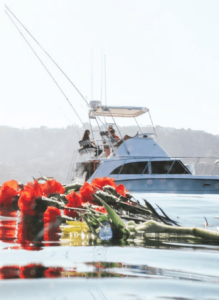
Establishing a permanent resting place such as a niche, columbarium, or memorial garden provides a dignified solution that honors your loved one. It also eases potential burdens for your family later. Scattering ashes is also an option that can provide a meaningful goodbye, but families should be mindful of local regulations on where scattering is permitted. Coastal Funeral Center offers beautiful seaside services for scatterings with our partner, Coastline Memorial.
Misnomer #3: You Don’t Need a Funeral With Cremation
Another common belief is that cremation replaces the need for a funeral or memorial. In truth, cremation is simply a method of disposition—it does not dictate whether or how a loved one is remembered.
Many families still choose to hold services before or after cremation:
- A traditional funeral with the body present before cremation
- A memorial service after the cremation takes place
- A celebration of life tailored to the person’s personality, beliefs, or wishes
- A gathering for scattering or burial of the ashes
These services provide a vital opportunity for family and friends to say goodbye, share stories, and support one another in grief. The emotional value of these rituals often far outweighs their financial cost. And yes, they can be done with cremation just as meaningfully as with burial. Most who opt for cremation now also choose to have a service, even if it is a small visitation.
Misnomer #4: “You don’t need to worry about planning ahead if you choose cremation.”
Many families believe cremation is so straightforward that advance planning isn’t really necessary. This assumption can lead to stressful and rushed decisions later on, often at a time when emotions are already overwhelming. Choosing details such as the type of service, urn style, or final placement of the remains all take careful thought—and these decisions don’t disappear just because cremation is selected. Without planning ahead, loved ones may be left to make these choices under pressure, which can lead to confusion, disagreements, or unexpected costs.
Advance planning for cremation, on the other hand, ensures your wishes are clearly documented and provides peace of mind for your family. It also allows you to lock in today’s prices, protecting your loved ones from rising costs in the future. More importantly, it offers a gift of clarity: instead of scrambling to figure out what you might have wanted, your family can focus on celebrating your life, knowing that all of the details have already been thoughtfully considered.
Some assume cremation is a “simple” option because it involves fewer logistics. In reality, cremation can involve just as many decisions as burial. Sometimes more.
Here are a few of the choices families often need to make:
- What kind of service, if any, will be held?
- Will there be a viewing or visitation before cremation?
- Where will the cremated remains be placed? (Burial, scattering, kept at home, or inurnment in a columbarium?)
- What type of urn or container will be selected?
- Will there be keepsakes or jewelry for loved ones?
These decisions aren’t just about logistics. They’re about honoring a life well-lived. Whether you choose burial or cremation, the process can be deeply meaningful when planned thoughtfully. And just like burial, cremation planning can be complex without guidance.
Misnomer #5: All Cremation Providers Are the Same
Another misleading assumption is that all cremation services are created equal. Cremation providers can differ greatly in their pricing, transparency, and level of care.
When comparing cremation providers, it’s important to:
- Ask for a General Price List (GPL) that breaks down all costs
- Understand exactly what is included in each package
- Inquire about additional fees, such as permits or transportation
- Ensure the provider adheres to strict identification and handling procedures
Choosing a cremation provider is a deeply personal decision, and it’s okay to ask questions. Look for one that offers clear communication, dignified care, and compassionate guidance throughout the process—not just the lowest price tag.
A Modern Center in the South Bay
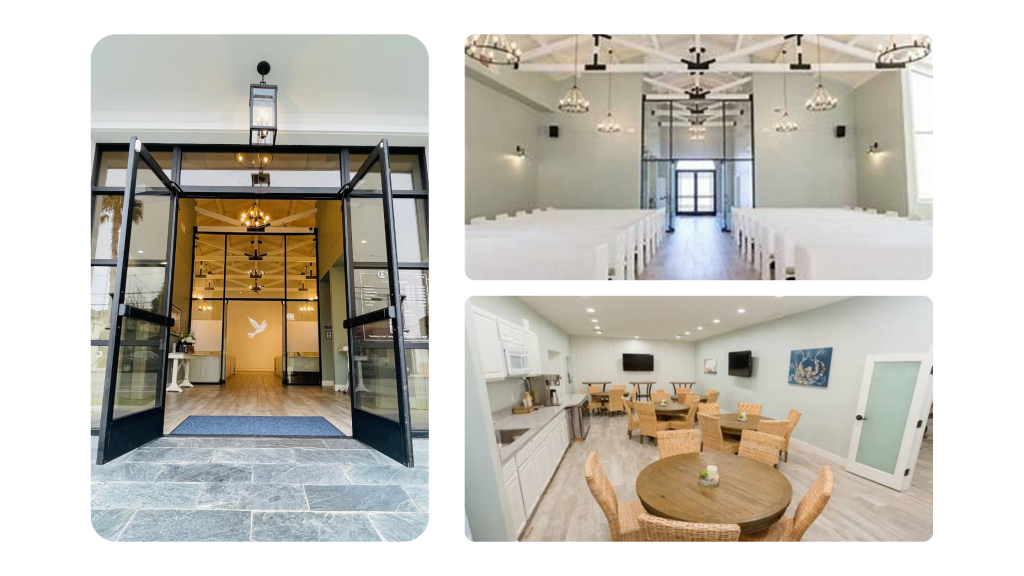
At Coastal Funeral Center, the word center was chosen with care. We are not a traditional funeral home—we are a true gathering place. Our space is filled with light and designed to feel like home, where families can come together in comfort and peace.
We welcome both modern and traditional funerals, memorial services, and celebrations of life, but our vision goes beyond that. Our reception room offers a place for loved ones to gather, share stories, or even share a meal. Over the years, we’ve even hosted events like weddings and baby showers, reminding us that this is a place for all of life’s celebrations—from first breaths to final farewells.
Cremation Costs to Consider
To better understand cremation cost, here’s a look at items that should be included in cremation quotes:
- Direct Cremation (no service)
- Cremation with memorial service
- Viewing/visitation with rental casket
- Urn (basic to custom)
- Keepsake jewelry or mini urns
- Final resting place (burial, niche, etc.)
- Death certificates, permits, and transportation
Planning ahead allows families to prioritize what’s meaningful while staying within budget. It also removes the pressure of making decisions during a time of grief.
Why Advance Planning Cremation Matters
If you or a loved one are considering cremation, advance planning is one of the most thoughtful steps you can take. It:
- Gives you full control over your choices
- Allows you to compare cremation costs ahead of time
- Reduces stress and guesswork for your family
- Ensures your wishes are known and honored
Coastal Funeral Center offers advance planning consultations to walk you through the options, with no obligation. This is a chance to ask questions, explore pricing, and document your preferences so your loved ones don’t have to wonder what you would have wanted.
Final Thoughts
Cremation can be a flexible, meaningful, and even cost-conscious choice, but only when families are equipped with the right information. Understanding what goes into cremation costs helps remove the confusion and allows for more personal, values-based decisions.
Whether you’re planning ahead or navigating a recent loss, you don’t have to go it alone. We’re here to help guide you through the process with transparency, compassion, and care so you can focus on what truly matters: honoring a life well lived.
Frequently Asked Questions
1. Is cremation always the most affordable option?
Not necessarily. While direct cremation is typically the least expensive form of disposition, costs can increase depending on the services you choose, such as a memorial service, viewing, special urn, or final resting place. Understanding what’s included in each provider’s pricing is key.
2. Do I need permits or paperwork to keep an urn at home?
Yes. In California, families must have a permit to keep cremated remains in a private residence. Many people aren’t aware of this requirement, which can lead to surprise or added steps after the cremation is complete.
3. Do you still need a funeral or service if you choose cremation?
Cremation is simply a method of disposition, it does not replace the need for a funeral or memorial. Many families still choose services such as a visitation, celebration of life, or gathering for scattering or burial of ashes. These moments provide meaningful opportunities for remembrance and healing.
Ready to Learn More?
If you’d like to explore cremation options, compare costs, or begin a plan for the future, we invite you to reach out for a no-obligation conversation. We’re present with you to help you find clarity, comfort, and the confidence to make informed decisions, every step of the way.


