
At Coastal Funeral Center, we believe that honoring each life with dignity begins by understanding the traditions that shape how we say goodbye. Hindu funeral traditions are deeply spiritual and rooted in centuries of sacred customs. These rituals are not only a final tribute to a loved one but also a significant step in their journey of reincarnation and liberation.
Whether you are attending a Hindu funeral or planning services for a loved one, learning about the core elements of these traditions can offer comfort, clarity, and connection.
What are Hindu Funeral Traditions?
Hindu funeral traditions, also known as antyesti or “last rites,” are an essential part of the Hindu faith. These rites guide the soul toward moksha and are filled with symbolic meaning. Every step of the process, from preparing the body to final prayers, is rooted in reverence and spiritual significance.
Hindu Beliefs About Life, Death, and the Soul
Central to Hinduism is the belief in samsara, the ongoing cycle of life, death, and rebirth. The body is temporary, but the soul is eternal. Death is not seen as an end, but a transition. The ultimate goal of the soul is to attain moksha, or freedom from this cycle.
Hindu funeral traditions support this transition, helping the soul detach from the physical world and continue its spiritual journey.
When do Hindu Funerals Take Place?
Traditionally, Hindu funerals are held within 24 hours of death. Quick preparation and cremation are believed to help the soul move forward peacefully. Families often work quickly and carefully to follow this timing, while still creating a space of dignity and prayer.
At Coastal Funeral Center, we offer flexible and compassionate care to support timely arrangements.
Preparation of the Body: A Ritual of Respect
Before the ceremony begins, the body is washed, anointed, and dressed in white (or red for married women), symbolizing purity. A tilak (mark) is placed on the forehead, and garlands or rice balls (pinda) may be offered. Loved ones or a Hindu priest may perform this sacred act, sometimes anointing the body with oils or holy water. Tulsi leaves and water from the Ganges River may also be placed in the mouth for purification.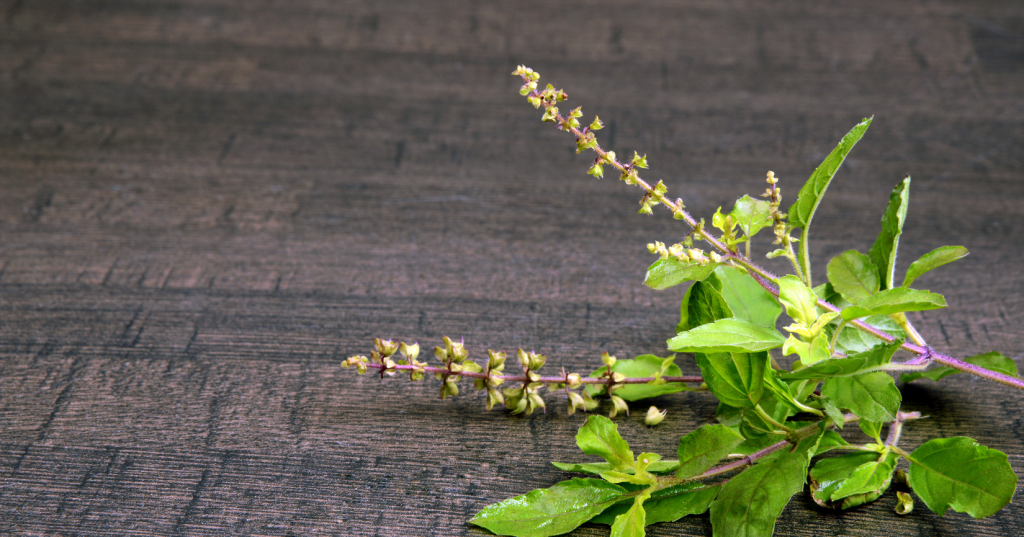
The body is often adorned with flowers, and sandalwood paste may be applied as part of the spiritual preparation.
The Funeral Ceremony: Prayers, Mantras, and Meaning
Hindu funeral services are typically led by a priest or family elder. Mantras from sacred texts like the Vedas are chanted, and the family gathers to offer prayers and blessings. Family and friends gather at home to pray, chant sacred mantras, and pay respects. Mourners traditionally wear white and remain composed out of respect for the sacred nature of the ritual.
Cremation: A Symbol of Release
Cremation is the traditional method of final disposition in Hinduism. It symbolizes the release of the soul from its physical form. The cremation may take place at a crematorium or, where customary, on an outdoor pyre.
Cremation is performed within 24 hours, overseen by the eldest son or a close male relative. The body is carried feet-first to the cremation site, and rituals like circling the pyre and breaking a clay pot near the head symbolize the soul’s release.
What Happens After Cremation?
After cremation, the ashes are collected and later immersed in a sacred river, such as the Ganges, or in another body of water that holds spiritual significance. This ritual, called asthi visarjan, represents the soul’s final separation from the body and return to nature.
Mourning Period and Ongoing Rituals
The family observes a mourning period (Terahvin) lasting 13 days, during which they remain at home, receive visitors, and honor the deceased with a photo and flowers. The period ends with the Kriya ceremony, marking the soul’s onward journey.
On the first anniversary, a ritual called Shraddha is performed to further honor the departed. Some families may also include feeding the poor or offering food to priests.
Regional and Family Variations in Hindu Funerals
Hindu funeral traditions can vary significantly based on region, language, sect, and family preferences. While many core rituals are consistent, families may include or omit specific steps depending on their cultural background.
Supporting Families with Hindu Funeral Planning
Planning a Hindu funeral can feel overwhelming, especially when balancing religious customs with practical considerations. Our experienced team at Coastal Funeral Center is here to guide you through every step, offering respectful assistance with timing, cremation, rituals, and spiritual support.
We also provide space and flexibility for religious ceremonies and work closely with families to accommodate cultural preferences.
Honoring a Sacred Journey
Hindu funeral traditions offer a meaningful way to honor the passing of a loved one while supporting the soul’s sacred journey toward peace. Each chant, offering, and prayer serves a greater spiritual purpose, connecting the family to both tradition and transcendence.
Hindu funerals are not just farewells but rituals guiding the soul toward liberation (moksha). The customs emphasize respect, purification, and the cyclical nature of life and death.
If you are planning a Hindu funeral or would like to learn more about culturally sensitive services, we’re here to help.
You may also find these of interest:
- Catholic Funeral Traditions: Honoring Faith and Legacy
- Understanding Buddhist Funeral Traditions: A Guide to Honoring Life and Death
- Exploring Traditional Jewish Funeral Customs
About Coastal Funeral Center
At Coastal Funeral Center, we are committed to being dedicated guardians of family and community, while holding on to the legacy we established as a family-owned funeral home. Originally A.M Gamby Funeral Home, Coastal Funeral Center joined Green Hills in 2018 to better serve the community of the South Bay and Palos Verdes Peninsula. During this transition, we expanded our services as an all-inclusive facility and built on the successes of Green Hills Memorial Park. We’re proud of our legacy of personal service and our deep roots in the community, which we’ve been part of for more than 80 years. We provide customized funeral service options that meet your financial needs and honor your loved one. To learn more, visit https://coastalfuneralcenter.com/about/


